In a world where artificial intelligence (AI) is developing at a pace faster than regulation can keep up, Microsoft has made a significant move by capping the functionality of its AI-driven facial and voice recognition tools. The action indicates growing concern about AI ethics, privacy, and potential misuse. As one of the leading tech giants that has pioneered AI innovation, Microsoft's actions are both symbolic and strategic.
This article examines why Microsoft is scaling back some of its AI features, what this implies for the future of AI development, and how it impacts users, developers, and businesses utilizing Microsoft's Azure AI offerings.

Why Microsoft Is Cutting Back Its Facial and Voice Recognition AI
Microsoft's decision to scale back its AI recognition capabilities is not sudden, but rather the culmination of years of in-house research, public criticism, and discussions with civil rights groups. The primary motivating factors are:
Privacy Issues: Facial recognition technology, powered by AI, can be abused for surveillance, often without consent. The technology has already caused concern in nations where it's employed for citizens' surveillance.
Bias and Incorrectness: Research conducted by the MIT Media Lab, among others, has determined that facial recognition software can be poor at recognizing women and non-white individuals. Misidentification may result in severe repercussions, such ash as unlawful arrests.
Lack of Regulation: Without definitive laws that regulate the employment of facial and voice recognition technology, Microsoft is opting to self-regulate rather than risk contributing to societal harm.
Microsoft President Brad Smith has frequently emphasized the importance of it is to develop trust in AI systems. This action aligns with the company's previously announced AI principles: fairness, reliability, safety, privacy, inclusiveness, transparency, and accountability.
Specific Azure AI Service Changes
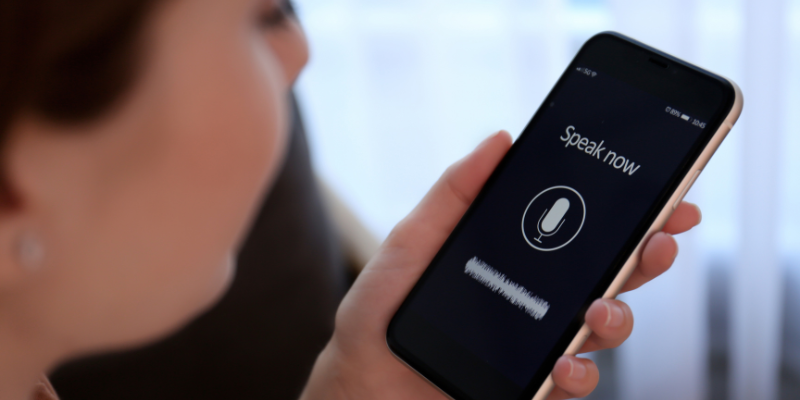
Microsoft has implemented new limitations on its Azure AI platform, especially on facial recognition and voice analysis capabilities. Businesses utilizing Microsoft's AI solutions will need to undergo a more rigorous application and evaluation process. Facial recognition APIs will be phased out for public use, and users must justify their intended use of sensitive capabilities.
Key Points:
- Tools for emotion detection will be discontinued.
- Facial recognition access needs approval.
- Public facial recognition APIs are no longer accessible.
Getting to Know Emotion Recognition: Why It's Being Retired
Emotion recognition technology attempts to identify how someone feels through the use of facial expressions. But the system has been panned as inaccurate and culturally insensitive. Emotions are complex, and it has been problematic to assume they can be interpreted the same way everywhere for AI. Microsoft decided that the potential for misinterpretation far outweighs the benefits.
Important Points
- Emotion recognition is not supported scientifically.
- The dangers are false judgments and unethical monitoring.
- Microsoft no longer thinks that this capability has a legitimate purpose.
Ethical AI Development: Microsoft's New Gold Standard?
With these shifts, Microsoft is applying its Responsible AI Standard, which requires clarity, fairness, and accountability from all AI products. Its new policy guarantees that developers perform risk analysis, log usage, and foresee potential damaging consequences before introducing any AI tools to customers.
Key Points
- Microsoft applies ethical design from the beginning of development.
- Risk analyses and ethics checks are incorporated as requirements.
- It's a move from "tech-first" to "ethics-first" innovation.
Response of the Tech Industry
Microsoft's actions may prompt a more widespread shift in the industry, as other tech giants, such as Amazon, Google, and IBM, have also paused or limited their use of facial recognition. Microsoft is taking the first proactive step in restricting the use of facial recognition, which may be the first step toward leading by example and showing other companies a serious commitment to responsible AI development.
Key Points:
- Microsoft could pressure competitors to act.
- Numerous ethical issues surround AI, and companies like Amazon, IBM, and Google have also faced backlash for their misuse of the technology.
- Ethical AI is becoming one of those essential elements to maintain brand trust.
Government and Legal Perspectives
Despite growing public concern, there are serious gaps in Government and global regulation of AI. Microsoft's decision emphasized that Governments need to put strong legislation around the use of AI. While the rise of facial recognition has caused some local governments and groups to ban its use, national policies are lacking in scope and depth in several nations.
Key Points:
- Microsoft's decision displays the continued absence of global laws around AI.
- The EU AI Act is one of the advanced regulations.
- Companies can push to act more quickly and responsibly than regulators.
Comparison with Other Tech Giants
In comparison with Amazon, Google, and Meta, Microsoft is adopting a more systematic approach. Whereas others suspended or stripped away features, Microsoft is linking access to ethical use. This is a longer-term, more sustainable solution.
Key Points:
- Google does not use facial recognition at all.
- Amazon suspended its sales of facial recognition to police.
- Meta removed all facial recognition information.
- Microsoft does even better by implementing ethical use before access.
Microsoft's Commitment to Ethical Innovation
Microsoft's contribution goes beyond feature reductions. They're investing in fairness, bias detection, and responsible development. They also collaborate with governments, researchers, and communities to ensure that all these advances are made inclusively and safely.
Key Points:
- Microsoft invests in research to detect and mitigate AI bias.
- The company advocates ethical education and global policymaking.
- It takes leadership in responsible AI advancement.
Conclusion
Microsoft's decision to limit its facial and voice recognition technologies marks a tipping point at which AI should be approached ethically, responsibly, and with respect for human rights. The company is taking a different approach and shutting down some smart locks that grant access to sensitive features, in line with its Responsible AI Standard. This is a strong precedent in the tech industry. The move may slow down some developments, but it ensures that innovation is not built on a foundation of privacy or fairness. A very encouraging sign of the times is a major player prioritizing trust and accountability amidst rapid technological change. Such an initiative does not set us back, but builds a solid groundwork for a more secure AI future.