The new Pixel AI offerings allow Google to extend its services in AI availability to its older devices, ensuring more people can take advantage of its smart technology. These features exist to make it simpler to use Pixel phones based on individual requirements and enhance day-to-day efficiency of interaction, automate intelligent decisions, and navigate by voice-based instructions. Among the various options available, such as voice control, better screen readers, and real-time transcription abilities, AI phone features may bring older forms of Pixel to the modern and accessible level. The update makes sure that the most recent hardware with its specific features of Google Pixel does not have a monopoly on such high-tech opportunities anymore and, instead, introduces them as inclusive and beneficial AI-based functionality to a broader audience.
Key AI Accessibility Features
Enhanced Voice Commands and Control
An extended voice command functionality is one of the biggest changes in the Pixel AI accessibility suite. Simple spoken instructions will allow users to do more complicated things, such as opening apps and writing texts and navigating through settings. The AI knows context easier and does not require the correct wording as frequently. This is more of an advantage to individuals who experience challenges of mobility since they could easily manage their phone by merely using their hands-free. This feature works fine even on the older Pixel models; it introduces modern convenience to the Pixel products that otherwise could have missed the latest advances in technology.
Smarter Live Transcription
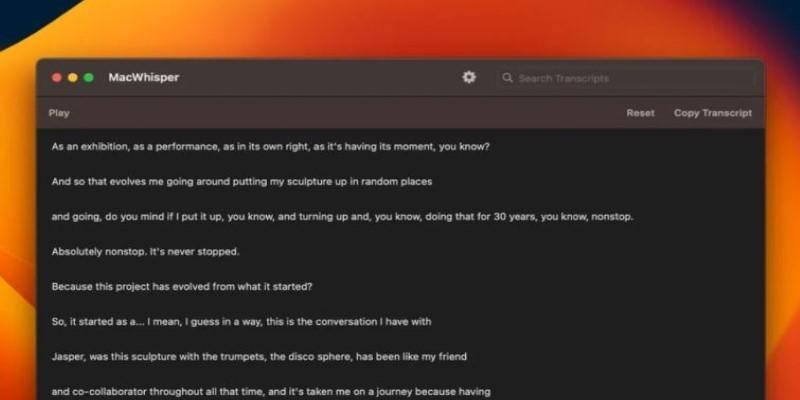
One of Google AI's phone tools seems to be at its most useful right now, Live Transcribe, as it is now optimized for older Pixel models. This real-time transcription facility converts the words spoken to the text on the screen almost immediately, which makes the people who have difficulties with hearing track the conversation with ease. The advantage of the new AI model is also better, more swift and precise execution, even in a noisy environment. The ability allows users to keep transcriptions as a future reference or send them to other people, making the feature useful in a business meeting, classroom, or during informal discussions. Porting this feature to older devices is a step in the right direction since even older devices will get accessibility improvements and need not buy new hardware.
Better Screen Reading and Content Description
The TalkBack that has been provided by Pixel gets an improved usage of AI as it reinforces the more detail-oriented and situationally accurately described on-screen details. To visually impaired users, this implies that menus, pictures, and application contents are better and more articulately explained. This enhancement is part of the Google Pixel features release and will enable the user to navigate his or her phone with a lot of confidence. It is possible even to define components in photos, and the AI is able to navigate by giving deeper descriptions to increase the level of understanding. Installed on older models of Pixel, these updates make it so that the accessibility is not subject to the purchase of a new phone anymore, and all people will get to take advantage of the best of assistive technology Google has to offer.
How to Access the New Features
Check Device and Software Updates
To use the latest Pixel AI accessibility tools, start by checking if your device has received the most recent Pixel software update. Google has extended compatibility to a range of older models, so even if your phone is a few years old, it may still qualify. Simply go to Settings > System > System Update to see if the update is available. Once installed, you’ll have access to the newest AI phone tools, from enhanced voice commands to upgraded Live Transcribe. The update process is straightforward, and your device will guide you through enabling the new accessibility features.
Enabling Accessibility Tools
After updating your Pixel, enabling the new features is simple. Navigate to Settings > Accessibility, where you’ll find options for TalkBack, Live Transcribe, and Voice Access. Each tool includes customization settings, allowing you to adjust voice recognition sensitivity, transcription language, or description detail. Google has streamlined these menus for easier navigation, especially for first-time users. Once activated, the Google Pixel features work seamlessly in the background, enhancing everyday phone use without slowing down performance. Even older devices can handle these AI-driven enhancements smoothly thanks to optimized processing and efficient design.
Trying the Features in Everyday Use
The best way to experience these AI phone tools is to integrate them into your daily routine. Try using Voice Access to navigate apps hands-free, Live Transcribe during a conversation, or TalkBack when browsing social media. These features adapt over time, learning your usage patterns for more accurate results. Users often find that these small, AI-powered improvements make their devices feel newer and more capable. By extending these features to older devices, Google ensures that all Pixel users—regardless of phone model—can benefit from more accessible, inclusive, and intelligent technology in their daily lives.
Benefits for Older Pixel Users
Extending Device Lifespan
One of the main advantages of this rollout is that it extends the useful life of older Pixel devices. Rather than requiring an upgrade for the newest Pixel AI accessibility tools, users can now enjoy the latest features on their existing phones. This reduces e-waste and maximizes the value of each device. For many, this means postponing costly upgrades while still experiencing the best of Google’s AI-driven innovations. It’s a win-win for users who want modern performance without sacrificing their trusted, familiar devices.
Inclusive Design for More Users
By expanding Google Pixel features to older devices, Google demonstrates its commitment to inclusive design. Accessibility is about ensuring that technology works for everyone, regardless of physical ability or device age. These AI updates make it easier for seniors, people with disabilities, and anyone who prefers hands-free or visually assisted interaction to fully utilize their phone. The broader rollout means fewer people are left behind when new tools are introduced, creating a more equal digital experience for all Pixel users.
Seamless Integration With Existing Apps
The updated AI phone tools work seamlessly with existing Google apps and services. Whether you’re using Gmail, Google Meet, or Google Photos, accessibility features like TalkBack and Live Transcribe integrate directly into the workflow. For example, you can get image descriptions in Photos, live captions in Meet, or voice navigation in Maps without needing separate apps. This tight integration helps users stay productive and connected while enjoying the benefits of advanced AI assistance on their older Pixel devices.
Conclusion
The expansion of Pixel AI accessibility tools to older devices is a significant step toward inclusive, intelligent technology. With enhanced voice commands, smarter transcription, and improved screen reading, more users can enjoy the latest Google Pixel features without upgrading their phone. These AI phone tools not only make devices easier to use but also extend their lifespan, reducing waste and saving money. By ensuring that accessibility advancements reach a broader audience, Google reinforces its commitment to making powerful AI-driven assistance available to all Pixel users, regardless of device age