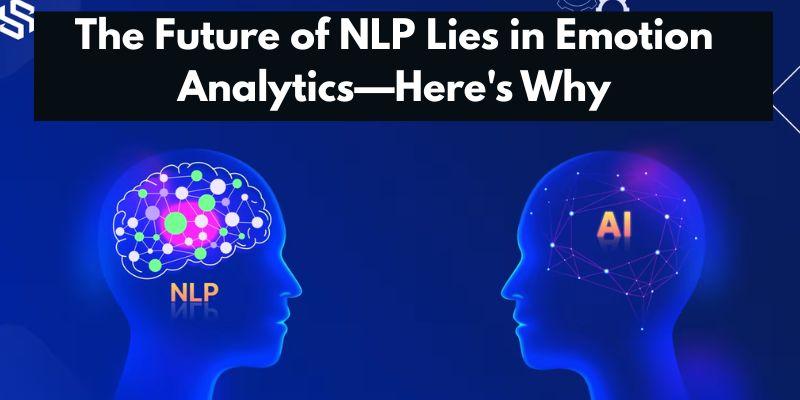
The world of technology continues to change rapidly. Language-based tools have become a part of everyday life. Natural language processing assists a computer in understanding human speech. There is something more lacking. Emotion is often lost with machines. They are word processors and not feeling processors. That is where the emotion analytics comes in. Humans convey emotion through tone, diction, and context.
Companies desire more intelligent machines that can comprehend genuine emotions. The tools of the future should be both rational and emotional. Such a transition will make machines more human. It facilitates communication and makes them more successful. Emotion is essential in the digital age. Human beings desire to be listened to. Emotion-sensitive NLP is capable of doing that. It is the new stage of AI. This article discusses why emotion analytics will be the future.
Understanding the Role of Emotion Analytics
Emotion analysis is a blend of technology and psychology. It adds emotional dimensions to the AI tools. It assists them in interpreting human emotions. Moreover, it employs such signals as the pitch of the voice and the sentiment of the text. Emotion data provides feedback in real-time. This is applicable in customer care, sales, and training. The system picks up the dissatisfaction before the users can say it.
NLP enables brands to move swiftly. It is also involved in healthcare. It promotes initial indications of stress and depression. It even assists in modifying lessons according to the student's mood in education. The data becomes more meaningful. Decisions are much more accurate. There is an extra dimension that emotion can bring that plain data cannot.
Why Emotion Belongs in NLP
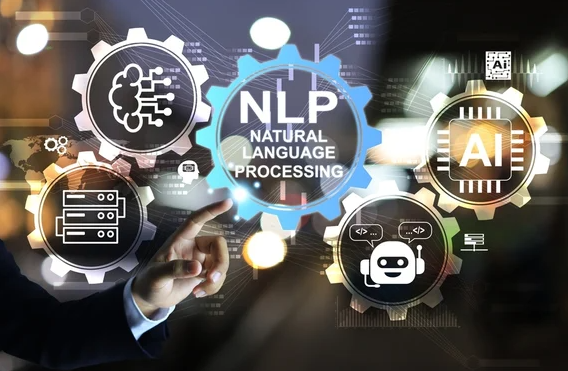
Words can mislead. Emotion fills in the blanks. It offers context that plain language misses. Natural language processing (NLP) is limited without emotion. It sees words, but not the meaning behind them. Tone changes the intent. Machines often misunderstand sarcasm. Emotional cues fix that. When a user says, "Great job," it could be praise or frustration.
Emotion-aware NLP knows the difference. It reduces frustration in digital interactions. Users feel heard. They are more likely to return. In marketing, emotion reveals buying signals. Angry words may mean poor service. Happy ones show loyalty. NLP with emotion turns feedback into insight. It reads between the lines. That's crucial for decision-making. Emotional language processing also helps in social media analysis. It identifies trends and public sentiment. That supports more innovative brand strategies.
How AI Emotional Intelligence Enhances Language Models
AI is the next big leap in smart systems. Machines once followed rules. Now, they adapt to human emotion. Emotional AI tracks stress, joy, and confusion in speech. It changes tone based on mood, which feels more natural. In education, this is a game-changer. If a student feels frustrated, AI slows down or explains again. In healthcare, it spots mental health flags. It leads to faster support.
AI Emotional intelligence makes responses more relevant. Language models like GPT adapt faster when emotion is tracked. That improves quality. These systems get better at predicting needs. They start acting more like human aides. In daily life, emotional AI powers tools like Siri or Alexa. Soon, it will enhance every smart assistant. From reminders to advice, emotional tuning boosts engagement.
NLP Future Trends: A Focus on Feelings
The future of language tech is emotional. Natural language processing future trends include emotion detection, adaptive tone, and intent mapping. Traditional systems missed human nuances. That's changing. Now, NLP can sense frustration or joy through word choice and pacing. Trends show rising demand for empathetic bots. Brands now train models to sound polite and caring.
NLP tools will soon learn context faster. They will adjust the tone mid-conversation. It increases satisfaction and retention. Expect more real-time translation with emotional accuracy. People will use emotion-aware tools for everything—from shopping to mental health. NLP will also blend with AR and VR. By 2030, emotion detection may become standard in all apps. This trend is growing fast. Companies must keep up. Users demand emotional relevance, not just accurate replies.
Human-Centric AI Is the Goal
At the core of progress lies empathy. Human-centric AI puts users first. It doesn't just solve problems. It understands needs. It reacts with care. AI now considers privacy, dignity, and emotion. Designers focus on fairness and respect. It helps machines mirror human values. That builds trust. Human-focused design avoids bias. It promotes inclusion. Innovators shape tools to fit culture, not override it. In daily use, this means fewer robotic errors. It means better decisions, too. People feel seen and respected.
This approach also reduces user fatigue. No one wants to explain feelings to a cold machine. Emotion-aware AI solves this gap. It listens and adapts. It doesn't just work. It serves. That's the heart of human-centered design. It's about making AI partners, not just tools. As emotion-rich systems grow, this approach will lead the way. Future success depends on empathy, not just logic.
Challenges and Limitations of Emotion-Aware NLP
Emotion-aware NLP is powerful but not perfect. Emotional expression varies across cultures. Systems may misread sarcasm or slang. Emotion detection depends on high-quality data. Poor inputs lead to poor results. Privacy is another concern.
Users must trust emotion-tracking tools. Bias can also creep in. Models may mislabel or stereotype emotions. Training must be diverse and ethical. Overreliance on emotion data may oversimplify human behavior. Emotions are complex. They change fast. Machines still lag behind human empathy. With better data and design, emotion-aware NLP will continue to evolve and improve.
Conclusion
NLP is evolving. It's no longer just about words. The next wave is emotional. Emotion analytics unlocks a new world. It lets machines understand how people feel. That's powerful. It boosts trust and improves results.
As AI grows smarter, emotion becomes the final piece. Tools that understand feelings make life better. Businesses serve people better. Education becomes personal. Health support grows stronger. Smart systems need empathy to succeed. The future belongs to human-aware technology.