If you like having something on in the background while you work, cook, or take a break, Flow TV from Google is worth a look. It’s not your usual streaming platform. Instead, it continuously plays AI-generated content—no menus, no choices, just a steady feed of strange, smooth, sometimes mesmerizing videos.
Whether it's an AI voice explaining black holes or visual art that shifts and morphs, Flow TV feels like an ambient experiment come to life. The whole thing runs without human creators, giving you a window into how far generative video tools have come.
What Is Flow TV and Why Is It Unique?
Flow TV is one of Google’s quieter experiments—an always-on stream of AI-generated videos that plays like a TV channel from another dimension. You don’t browse or select anything. You just turn it on and let it go. There are no menus, no pause buttons, and no suggested content boxes hovering in the corner. It’s passive by design—an uninterrupted flow of machine-made media that runs whether you’re watching closely or not.
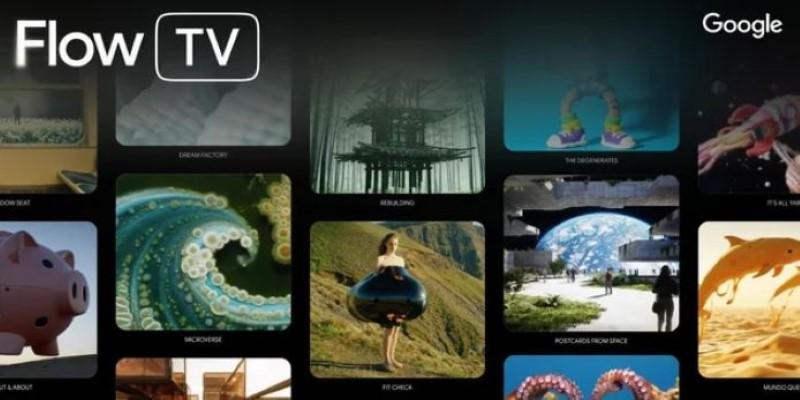
The content itself is built using Google's AI models, which take prompts and transform them into a video with generated visuals, narration, and sound. One clip might feel like a slow-paced science documentary; the next could look like digital art with soft voiceover. It moves from one topic to another without transition or explanation, creating an almost dreamlike rhythm. You never quite know what's coming, and that unpredictability is part of its charm.
Unlike platforms built around engagement or trends, Flow TV doesn’t care if you’re paying attention. It’s not trying to go viral or get you to click. It just exists, streaming AI's version of reality—quiet, strange, and oddly watchable.
The Rise of AI-Generated Video Streams
AI-generated media has been around for a while, but Flow TV takes it a step further by presenting it as an ongoing feed, rather than something you search or choose. This changes how people experience generative content. With no browsing or playlist-building required, it becomes passive viewing—similar to leaving a music station on in the background. For people burned out on choice, it’s a relief.
The clips are made using text-to-video and image-to-video tools that interpret structured prompts into visual sequences. These models have been trained to build narratives with pacing, rhythm, and tone that feel watchable, even if they're a little odd. A two-minute clip might explain the solar system, followed by a piece on forgotten architecture, all delivered in a voice that’s nearly—but not quite—human.
What’s compelling is that these videos feel just good enough. You’ll catch the occasional awkward phrase or strange image transition, but the machine still manages to string together content that flows. That imperfect quality makes it interesting. You’re watching AI stretch its limits in real time, and the results can range from clumsy to oddly beautiful.
The absence of interactivity adds to the effect. There's no autoplay manipulation, no feedback loop. It doesn’t try to hook you with clickbait or surprise twists. Flow TV is closer to a visual podcast—one that never stops and never asks you to choose what comes next.
This passive model could be a sign of what’s coming. AI-generated video at scale could soon become a bigger part of everyday media. Flow TV offers a glimpse into what might happen when machines take on storytelling at full volume.
Who Is Flow TV Actually For?
Flow TV isn’t aimed at binge-watchers or people chasing the latest episode. It’s meant for background viewing—something to have on while you do something else. It doesn’t reward focus or demand attention, but it still manages to stay interesting. For people working from home or in creative spaces, it's a great low-pressure companion.
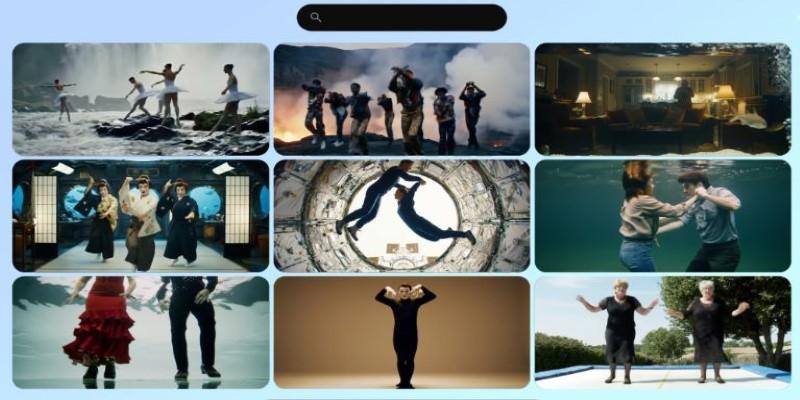
It also appeals to anyone curious about artificial intelligence without needing a technical deep dive. Watching Flow TV gives you a feel for what generative video can do, minus the jargon. You see how AI mimics tone, structure, and rhythm. You notice the places it stumbles and the moments it gets surprisingly close to humanlike delivery.
Another group that might appreciate it is people tired of content overload. There's no menu, no algorithm nudging you to keep watching, and no notifications. You just press play. That stripped-down experience is rare now and refreshing for anyone overwhelmed by choice.
Flow TV could also be appealing to digital artists, students, or creators who want inspiration or ambient video to play in the background while working. It’s not meant to be instructional or cinematic. It’s more like ambient radio, but visual. And it runs entirely on its own.
What Flow TV Says About the Future of AI Video?
Flow TV hints at a future where content doesn't need a human hand behind every frame. If software can generate passable video nonstop, we're entering a new phase of digital media. That doesn't mean human creators go away, but it raises questions about how we'll engage with media once software can do it alone.
The videos on Flow TV are simple, but they suggest a bigger idea. Generative tools are getting better—faster and more coherent. They won’t replace everything, but for some types of content—explainers, mood visuals, ambient feeds—they’re already producing hours of watchable material.
You’re not watching a perfect simulation. The voices miss occasional inflection, the visuals aren’t always right, but the overall effect is impressive. Flow TV accepts its imperfections, and that’s part of its charm. It doesn’t pretend to be human-made. It just runs, awkward moments and all.
That honesty is rare in a digital space full of polished videos and heavy edits. Flow TV doesn’t pretend. It simply plays what the machines create next.
Conclusion
Flow TV from Google isn’t here to replace your favorite shows. It offers something quieter—a nonstop stream of AI-generated content with no subscriptions, no menus, and no interaction. Just continuous video made by machines, playing in the background. It’s strange, calm, and sometimes unexpectedly engaging. For anyone curious about the future of AI and media, Flow TV provides a low-key but intriguing look at what’s already possible.